
Find Your Ally
Need expert advice? Connect with your local representative.
"An integrated management plan to maintain solar facilities will save money, reduce complaints, and keep you compliant. To successfully transfer this land back into farm ground in 25 - 35 years after the project life, it MUST be well maintained and free from invasive and noxious weeds, and the only way to accomplish this is to use an integrated management plan!” - Richard Welch, Good Steward Consulting
“A lot of factors go into making this work, but a little bit of chemical and a good aerial applicator change things. This new plan is pretty well a no-brainer. Our calves on treated pasture exceeded the amount of gain needed to pay for spraying.” – Mike Wiggins, Wiggins Ranch
"People do business with people they like and respect and who treat them with respect. People who show you the solution to a problem without causing more problems. At the end of the day, Alligare knows what product to push and why it works." - Jeff Chaffin, W4 Ranch
What Our Customers Are Saying


Georgia
Alabama
Alaska
Arizona
Arkansas
California
Colorado
Connecticut
Delaware
Florida
Hawaii
Idaho
Illinois
Indiana
Iowa
Kansas
Kentucky
Louisiana
Maine
Maryland
Massachusetts
Michigan
Minnesota
Mississippi
Missouri
Montana
Nebraska
Nevada
New Hampshire
New Jersey
New Mexico
New York
North Carolina
North Dakota
Ohio
Oklahoma
Oregon
Pennsylvania
Rhode Island
South Carolina
South Dakota
Tennessee
Texas
Utah
Vermont
Virginia
Washington
West Virginia
Wisconsin
Wyoming
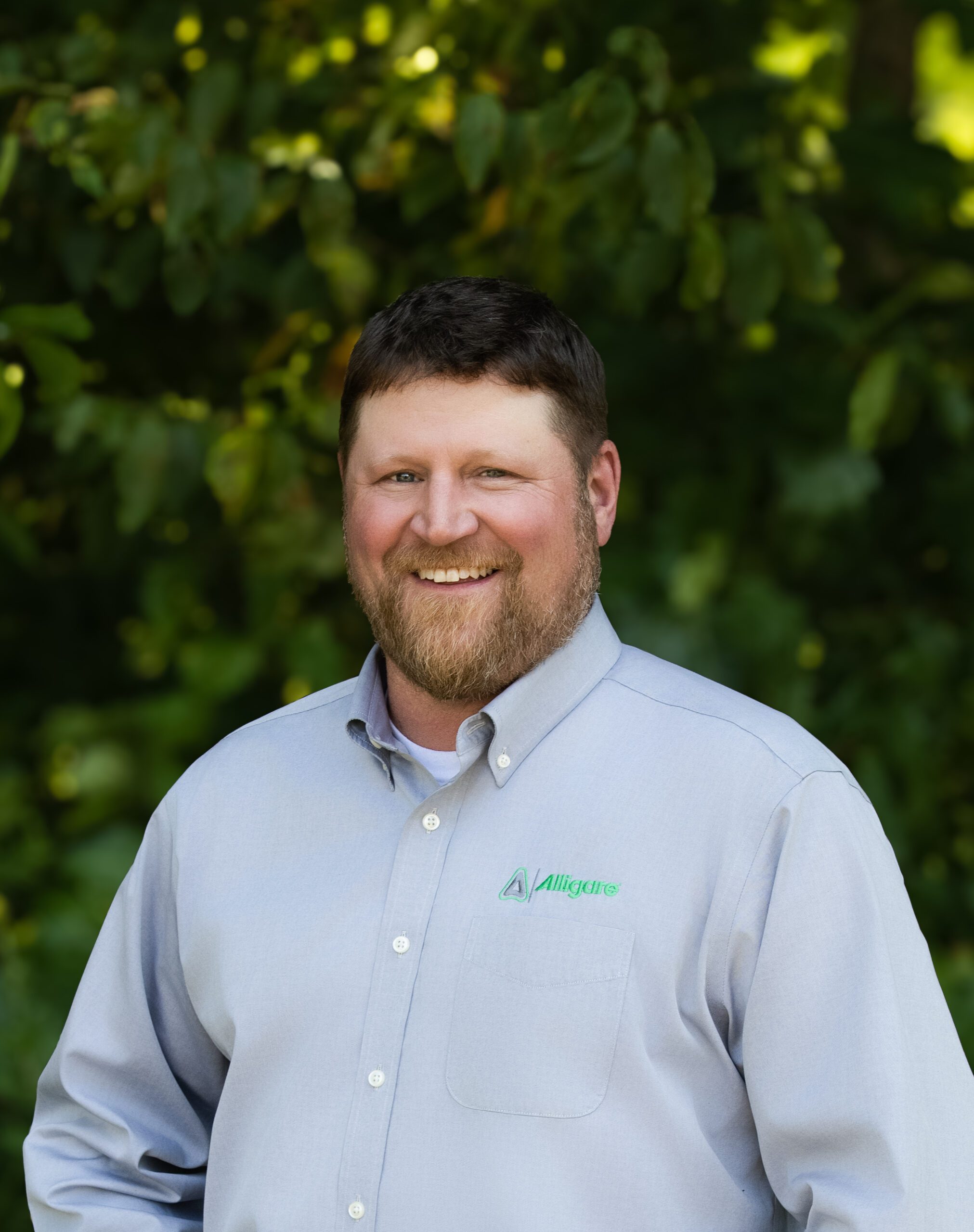
Why contact an Ally?
Get personalized support, product recommendations, and answers to your toughest vegetation management questions.
Our reps bring unmatched product knowledge, practical application advice, and localized expertise. With on-the-ground support, they’re here to help you choose the right solutions and get the best results for your operation.
What to expect when you contact an Alligare Ally:
Expert Guidance
Whether you’re looking for product recommendations, application advice, or long-term vegetation management strategies, our reps bring years of experience and region-specific knowledge to the table.
Local Knowledge
Effective solutions start with local insight. Reps understand the unique conditions in your area.
Solutions Based Support
We’re not here to push products. We’re here to help you find the right solutions for your operation and landscape.
Recommended Alligare Products
-
2,4-D AMINE
For control of many broadleaf weeds and brush control in corn, soybeans (preplant), small grains, pastures, rangelands, and other listed crops and...
-
AQUALINE™ 6.3
A selective, systemic herbicide for long-lasting aquatic control. Formulated for versatility and precision, Alligare's Aqualine 6.3 targets unwanted aquatic vegetation across diverse...
-
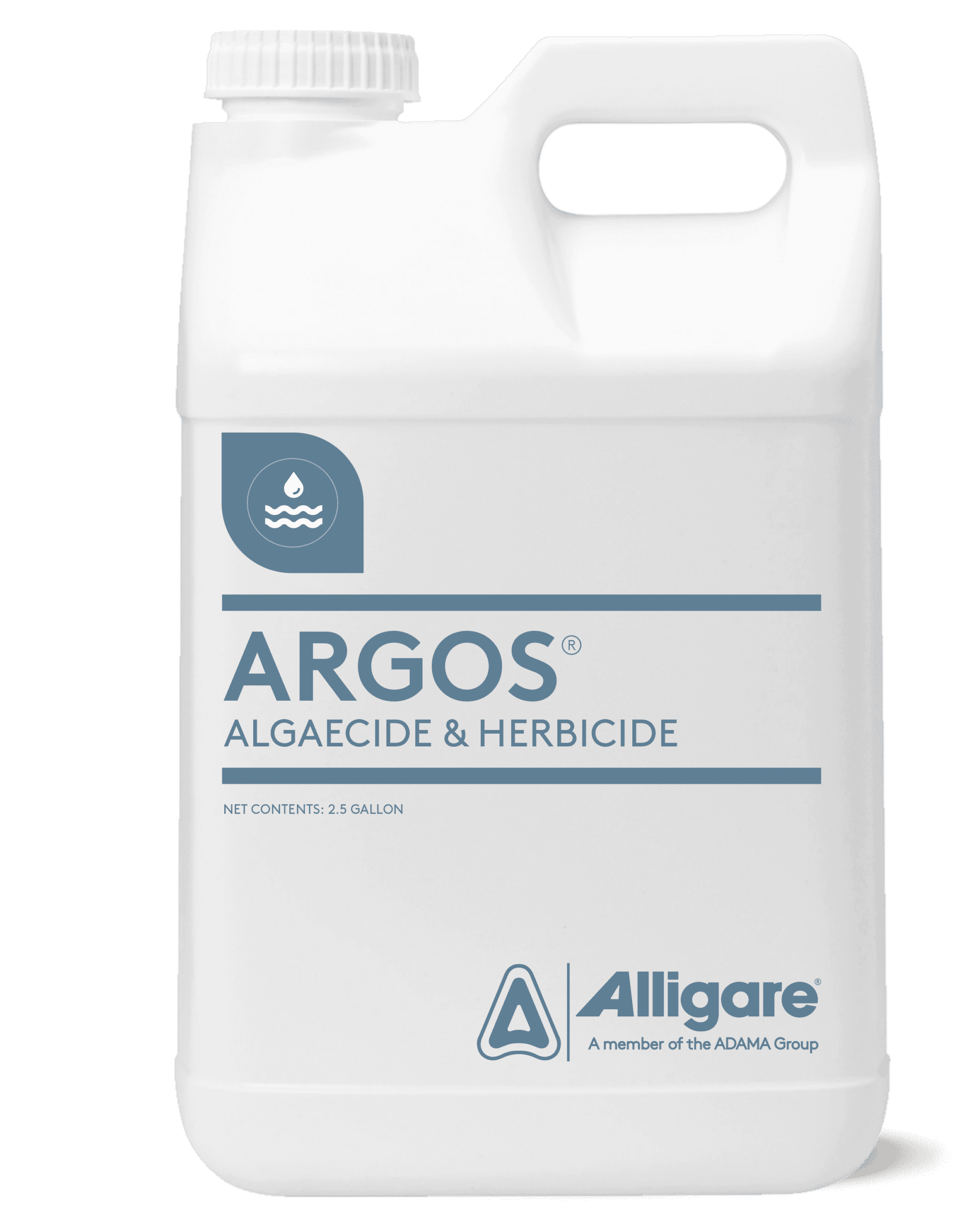
ARGOS®
This rapid response, contact algaecide will bring beauty to your delicate and challenging to treat target waterways.
-
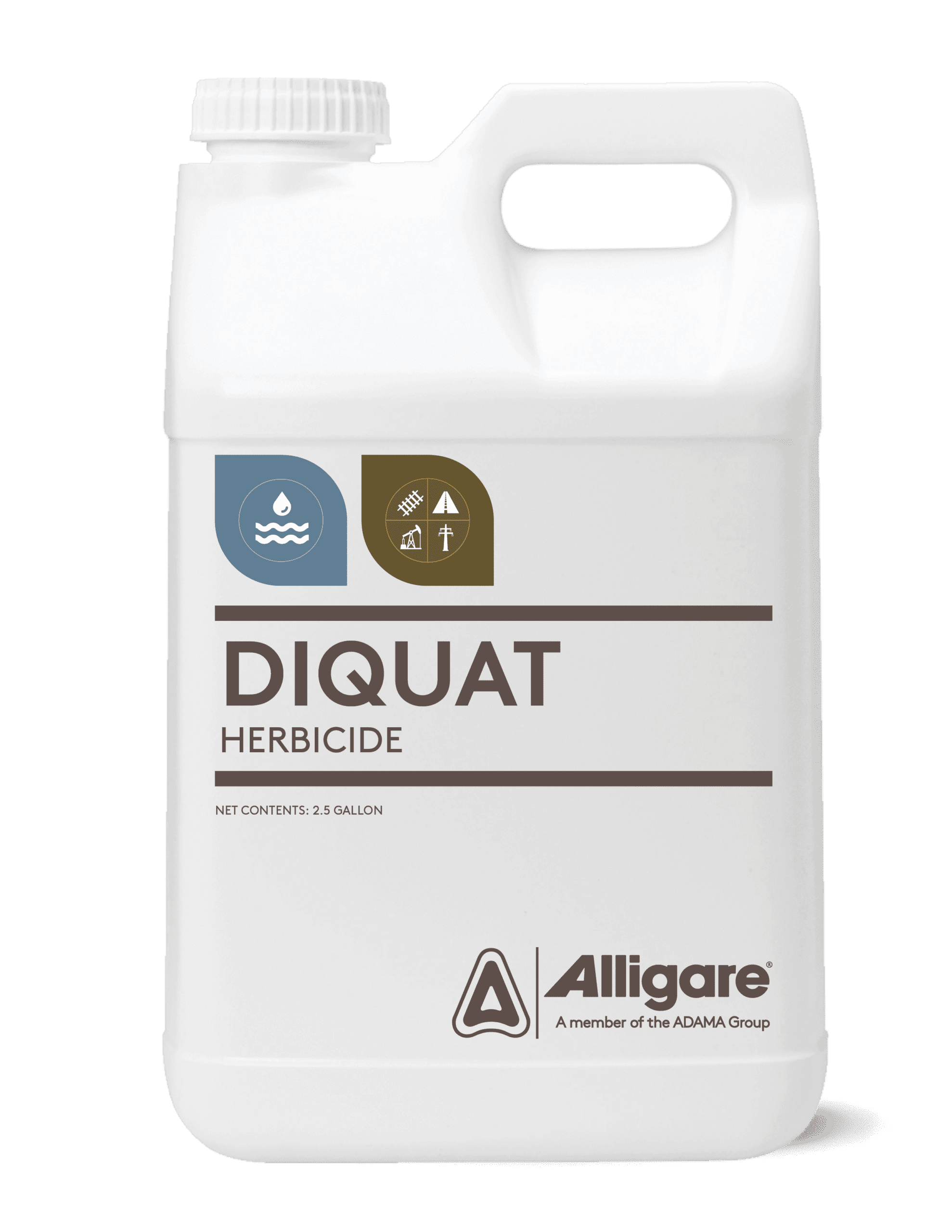
DIQUAT
Quickly create beautiful spaces with one of the most broad spectrum herbicides available